
Human resources (HR) leaders play a critical role in any organization. They are responsible for managing the company’s most valuable resource, its employees. As such, HR leaders need to have a comprehensive understanding of human resources management principles, practices, and strategies to ensure that their organizations have the best workforce. One way to enhance their knowledge is by reading books specifically tailored for HR leaders. In this article, we have compiled a list of the best books for HR leaders that can help them improve their skills and knowledge.
1. “The Talent Code: Greatness Isn’t Born. It’s Grown. Here’s How” by Daniel Coyle “
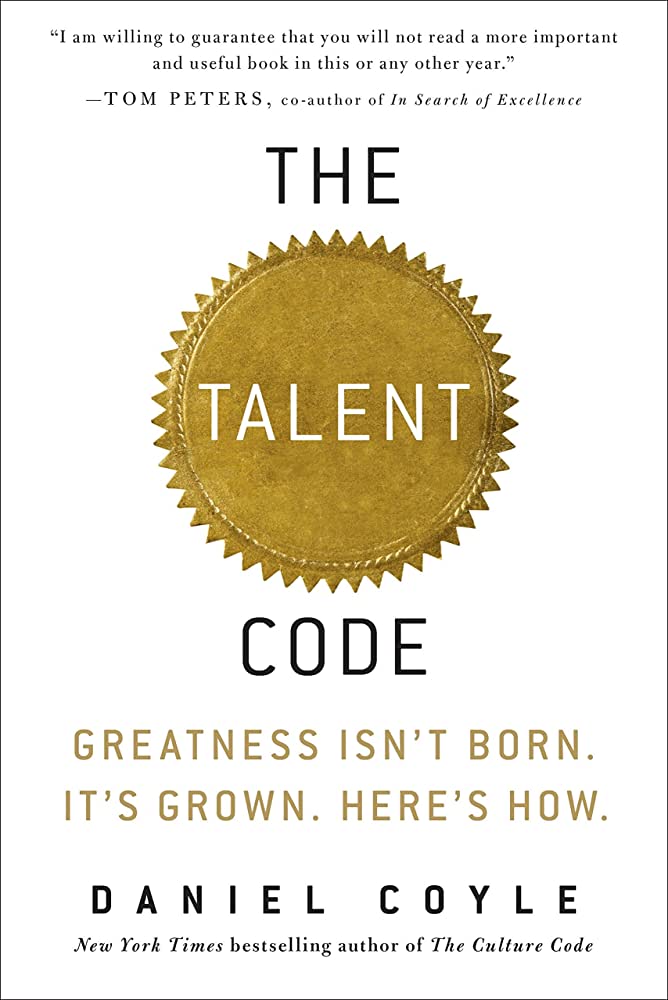
The Talent Code” is an excellent book for HR leaders who want to understand how to create a high-performance culture in their organizations. The author, Daniel Coyle, shares insights from various fields, including neuroscience, psychology, and sports coaching, to explain how talent is developed. This book is highly informative and practical, providing HR leaders with useful tips on how to create an environment that fosters talent development.
Pros:
- Provides a scientific explanation of how talent is developed.
- Contains practical tips that HR leaders can apply in their organizations.
- Written in an engaging and easy-to-read style.
Cons:
- Focused more on the science of talent development than on HR-specific practices.
- May not be relevant for HR leaders who are already familiar with talent development concepts.
2. “Crucial Conversations: Tools for Talking When Stakes Are High” by Kerry Patterson, Joseph Grenny, Ron McMillan, and Al Switzler
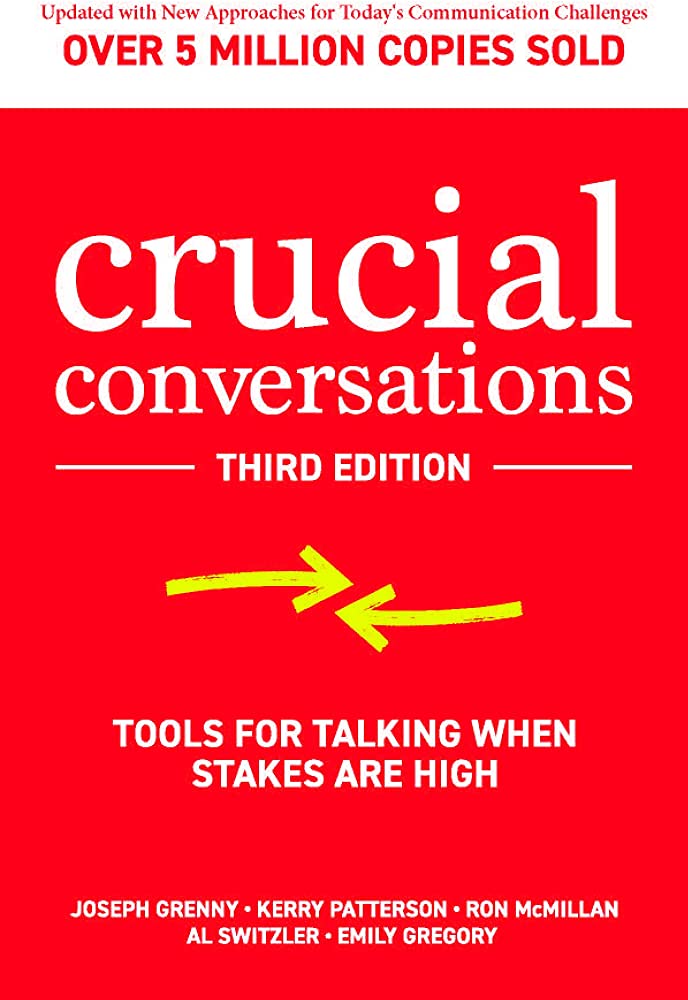
Effective communication is a crucial skill for HR leaders, and “Crucial Conversations” is an excellent book for mastering it. This book provides HR leaders with practical tools for handling difficult conversations in the workplace, such as giving feedback, addressing performance issues, and resolving conflicts. The authors provide real-life examples to illustrate their points, making this book highly relatable and practical.
Pros:
- Provides practical tools and strategies for handling difficult conversations.
- Written in an easy-to-understand style.
- Contains real-life examples that illustrate the authors’ points.
Cons:
- Focused more on communication skills than on HR-specific practices.
- May not be relevant for HR leaders who are already proficient in communication skills.
3. “The Power of Positive Leadership” by Jon Gordon
“The Power of Positive Leadership” is an inspiring book that HR leaders can use to create a positive and high-performance culture in their organizations. The author, Jon Gordon, shares his insights on the power of positivity and how it can be used to drive success in organizations. This book is highly practical and provides HR leaders with actionable strategies for fostering positivity in their workplaces.
Pros:
- Provides practical strategies for fostering positivity in the workplace.
- Written in an engaging and inspiring style.
- Contains real-life examples that illustrate the author’s points.
Cons:
- Focused more on the power of positivity than on HR-specific practices.
- May not be relevant for HR leaders who are already familiar with positive leadership concepts.
4. “HR On Purpose: Developing Deliberate People Passion” by Steve Browne
“HR On Purpose” is an excellent book for HR leaders who want to develop a purposeful and passionate HR strategy. The author, Steve Browne, shares his insights on how to create an HR strategy that aligns with the organization’s goals and values. This book is highly informative and provides HR leaders with practical tips and strategies for developing an effective HR strategy.
Pros:
- Provides practical tips and strategies for developing an effective HR strategy.
- Written in an engaging and easy-to-read style.
- Contains real-life examples that illustrate the author’s points.
Cons:
- Focused more on HR strategy than on HR-specific practices.
5. “The HR Scorecard: Linking People, Strategy, and Performance” by Brian E. Becker, Mark A. Huselid, and Dave Ulrich “
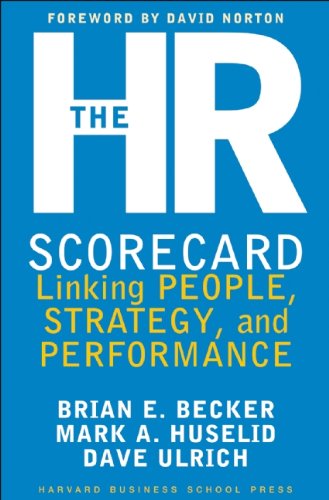
The HR Scorecard” is a practical guide for HR leaders who want to link their people strategy with the overall business strategy. The authors provide a framework for developing an HR scorecard that can help HR leaders measure and improve the effectiveness of their HR practices. This book is highly informative and provides HR leaders with practical tools and examples for developing an effective HR scorecard.
Pros:
- Provides a practical framework for linking HR practices with business strategy.
- Contains practical tools and examples for developing an effective HR scorecard.
- Written in an easy-to-understand style.
Cons:
- Focused more on HR strategy and metrics than on HR-specific practices.
- May not be relevant for HR leaders who are already proficient in developing HR metrics.